





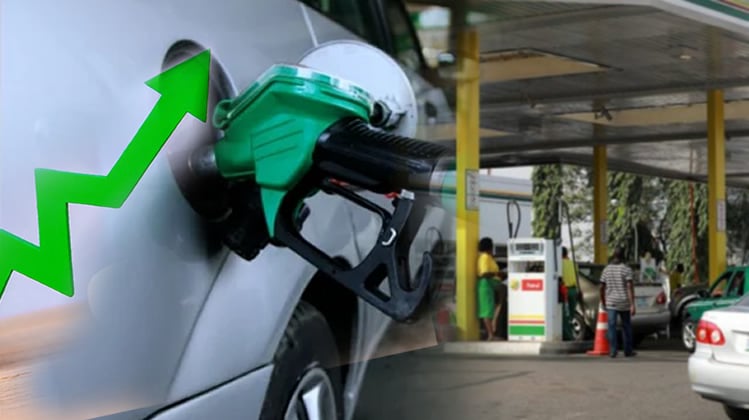
The Nigerian National Petroleum Company Limited (NNPCL) has raised the pump price of Premium Motor Spirit (PMS), commonly known as petrol, for the second time within 24 hours, following a fresh increase in gantry prices by the Dangote Petroleum Refinery.
Checks conducted on Sunday revealed that NNPCL retail outlets increased the price of petrol from ₦967 to about ₦1,082 per litre across several locations in Abuja and its surrounding areas.
The latest adjustment represents a ₦115 rise per litre and comes shortly after the company had earlier reviewed the price from ₦960 to ₦967 per litre.
With this new increase, petrol prices at NNPCL stations have climbed by about ₦207 per litre in less than a week, reflecting mounting pressure within Nigeria’s downstream petroleum sector.
The revised prices were observed at NNPCL stations along Kubwa Expressway, Gwarimpa, Wuse Zone 6, Wuse Zone 4, and Lifecamp in Abuja.
The development has heightened concerns among motorists and consumers who are already struggling with escalating fuel costs across the country.
Independent marketers have also adjusted their pump prices in response to the refinery’s new pricing structure.
Filling stations operated by MRS Oil Nigeria, AA Rano Nigeria Limited, and Empire Energy Group have reportedly revised their prices multiple times, with petrol now selling between ₦1,092 and ₦1,150 per litre, up from the earlier range of ₦960 to ₦980.
The price hikes followed a significant adjustment by the Dangote Refinery, which recently increased its ex-depot petrol price by ₦121, moving from ₦874 to ₦995 per litre as global crude oil prices surged beyond $90 per barrel.
Industry analysts note that increases in gantry prices typically translate into higher pump prices nationwide as marketers adjust to rising supply costs.
Reacting to the situation, the National President of the Petroleum Products Retail Outlets Owners Association of Nigeria (PETROAN), Billy Gillis-Harry, blamed the development on volatility in global crude oil prices.
According to him, the surge in crude prices is largely being driven by geopolitical tensions in the Middle East.
He explained that the ongoing Iran–United States–Israel tensions in the Gulf region have contributed to the instability in global oil prices, which in turn affects domestic fuel pricing.
Gillis-Harry, however, called on regulators in Nigeria’s oil sector to take urgent steps to stabilise the market and prevent further increases in petrol prices.