





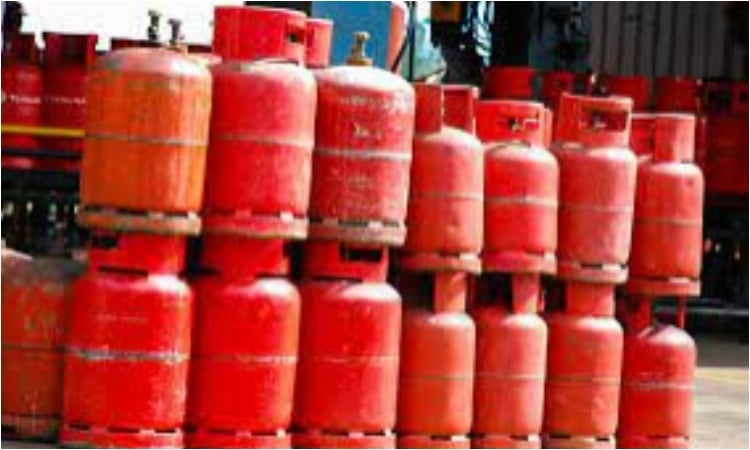
Nigeria is facing renewed scrutiny over the high cost of cooking gas, as new data reveals that prices in the country exceed those in several major oil-producing nations, including Saudi Arabia and Russia.
A review of figures from the Global Petroleum Price portal shows that the price of Liquefied Petroleum Gas (LPG) in Nigeria stood at $0.674 per kilogram as of March 16, 2026, placing it among countries with relatively high cooking gas costs globally.
In contrast, LPG prices remain significantly lower in several other nations. For instance, cooking gas sells for $0.290 per kilogram in Saudi Arabia and $0.388 in Russia. Other oil-producing countries such as Angola and Azerbaijan record even lower prices at $0.109 and $0.091 per kilogram, respectively.
Additional comparisons show lower LPG prices in countries like Honduras ($0.412), Belarus ($0.438), Armenia ($0.503), and the Dominican Republic ($0.596). Nigeria’s pricing is on par with Chile but remains higher than in India and Paraguay.
The disparity becomes more pronounced when income levels are considered. Saudi Arabia’s minimum wage is estimated at about $1,065, while Nigeria’s stands at roughly $49. In Russia, the minimum wage is around $321.32, underscoring the significant gap in purchasing power and the heavier burden placed on Nigerian consumers.
Despite being a major oil and gas producer, Nigeria continues to grapple with high domestic energy costs. The rising price of LPG is part of a broader trend affecting petroleum products across the country, increasing the financial strain on households—especially as more citizens turn to cooking gas as a cleaner alternative to kerosene and firewood.
Recent developments in the market have also pushed prices upward. The Dangote Refinery recently increased its gantry price of LPG to ₦800 per kilogram from ₦760/kg, effective March 17, 2026. The adjustment has been linked to rising global crude oil prices, which have driven up feedstock and refining costs.
Industry stakeholders warn that without targeted interventions, the continued rise in cooking gas prices could further restrict access to clean energy for millions of households. The situation has intensified calls for policy measures aimed at stabilising prices and improving affordability within Nigeria’s domestic energy sector.
Nigeria is facing renewed scrutiny over the high cost of cooking gas, as new data reveals that prices in the country exceed those in several major oil-producing nations, including Saudi Arabia and Russia.
A review of figures from the Global Petroleum Price portal shows that the price of Liquefied Petroleum Gas (LPG) in Nigeria stood at $0.674 per kilogram as of March 16, 2026, placing it among countries with relatively high cooking gas costs globally.
In contrast, LPG prices remain significantly lower in several other nations. For instance, cooking gas sells for $0.290 per kilogram in Saudi Arabia and $0.388 in Russia. Other oil-producing countries such as Angola and Azerbaijan record even lower prices at $0.109 and $0.091 per kilogram, respectively.
Additional comparisons show lower LPG prices in countries like Honduras ($0.412), Belarus ($0.438), Armenia ($0.503), and the Dominican Republic ($0.596). Nigeria’s pricing is on par with Chile but remains higher than in India and Paraguay.
The disparity becomes more pronounced when income levels are considered. Saudi Arabia’s minimum wage is estimated at about $1,065, while Nigeria’s stands at roughly $49. In Russia, the minimum wage is around $321.32, underscoring the significant gap in purchasing power and the heavier burden placed on Nigerian consumers.
Despite being a major oil and gas producer, Nigeria continues to grapple with high domestic energy costs. The rising price of LPG is part of a broader trend affecting petroleum products across the country, increasing the financial strain on households—especially as more citizens turn to cooking gas as a cleaner alternative to kerosene and firewood.
Recent developments in the market have also pushed prices upward. The Dangote Refinery recently increased its gantry price of LPG to ₦800 per kilogram from ₦760/kg, effective March 17, 2026. The adjustment has been linked to rising global crude oil prices, which have driven up feedstock and refining costs.
Industry stakeholders warn that without targeted interventions, the continued rise in cooking gas prices could further restrict access to clean energy for millions of households. The situation has intensified calls for policy measures aimed at stabilising prices and improving affordability within Nigeria’s domestic energy sector.