

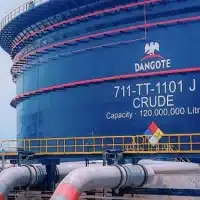





The Dangote Petroleum Refinery has raised the ex-depot price of Premium Motor Spirit (PMS), commonly known as petrol, to ₦1,275 per litre, marking the fifth price increase within March.
The latest adjustment represents a jump from the ₦1,175 per litre previously sold, coming shortly after an earlier revision to ₦1,245 per litre—highlighting ongoing volatility in Nigeria’s downstream oil sector.
In a notice to customers and marketers issued on Saturday, the refinery announced that the new pricing takes immediate effect, instructing recipients to disregard earlier communications on pricing.
According to the statement, the refinery also revised its coastal price from ₦1,512,648 to ₦1,646,748 per metric tonne, while the gantry price rose to ₦1,275 per litre.
The company noted that the updated rates apply to all unloaded gantry and coastal volumes from 12:00 a.m. on March 21, 2026. Customers operating on credit arrangements will, however, still be served, provided they settle the price difference.
Industry data shows that petrol prices from the refinery have surged sharply this month. At the beginning of March, the product sold for about ₦774 per litre, but has since climbed by over 60 per cent in less than three weeks.
Experts attribute the frequent increases to a mix of global and domestic pressures, including rising crude oil prices, foreign exchange fluctuations, logistics costs, and supply-demand imbalances.
An energy analyst explained that the deregulated nature of the market means prices now respond quickly to international oil trends and currency movements.
Market observers warn that the latest hike is likely to trigger higher pump prices nationwide, as depot price increases typically translate to higher retail costs.
A petroleum marketer in Lagos noted that consumers should brace for further adjustments at filling stations in the coming days.
The persistent rise in petrol prices is expected to drive up transportation fares, food costs, and the overall cost of living, adding to existing inflationary pressures.
As of the time of reporting, there has been no official response from the Federal Government, though stakeholders say the trend reflects the realities of a fully deregulated petroleum market.