


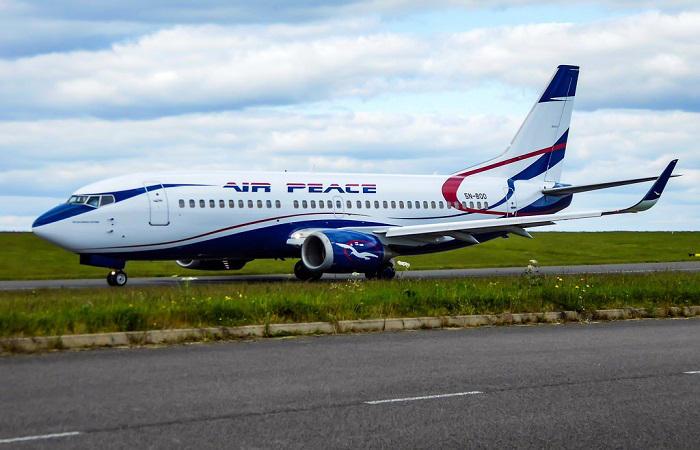
Passengers’ safety and the reliability of airline operations are being called into question following a troubling incident involving Air Peace. The airline’s operations were severely disrupted when a ground handler’s conveyor belt struck the engine cover of one of its newly acquired Embraer E2 jets while passengers were already on board, leading to an unscheduled deboarding and significant delays across multiple flight routes.
The Nigerian Civil Aviation Authority (NCAA) revealed that this accident made it unsafe for the aircraft to continue its scheduled flights. The airline had planned to operate nine sectors with the affected aircraft, meaning that numerous passengers faced immediate travel disruptions.
According to Micheal Achimugu, the NCAA’s Director of Public Affairs and Consumer Protection, the situation presents major challenges for affected passengers, who may face delays, compensations, and refund issues. He emphasized that the damage was caused by a third-party service provider, yet Air Peace and its passengers are left to deal with the repercussions.
This incident is not isolated. Achimugu pointed out that airlines often bear the brunt of negative passenger sentiment while the underlying issues—such as the inefficiency of ground handling staff—remain unaddressed. Past incidents have similarly resulted in significant costs for Air Peace, including a previous bird strike that cost the airline over $3 million for repairs.
The NCAA’s statements underscore the need for improved training and regulation of ground handling teams to prevent such costly mistakes. Achimugu urged a shift towards greater accountability, suggesting that poorly trained handlers should be named and shamed to protect the reputation of airlines like Air Peace, which are often wrongfully held responsible for operational disruptions.
While Air Peace does maintain standby aircraft, it has only two on hand, both of which are reportedly allocated to address similar situations, leaving them unable to cope with additional demand when such incidents occur. This lack of resources can further frustrate passengers, who may already feel inconvenienced by the mishap.
Achimugu expressed sympathy for Air Peace and other domestic operators facing these challenges and called for greater transparency in communicating the reasons for flight disruptions to passengers. He stated that the aviation industry needs to move away from a culture of cover-ups and instead provide clear, honest information.
In conclusion, while strides are being made in Nigeria’s aviation sector, incidents like these reveal significant gaps in safety protocols and operational efficiency. As stakeholders call for reforms, passengers are left to navigate the turbulent waters of delayed travel and escalating frustrations.